
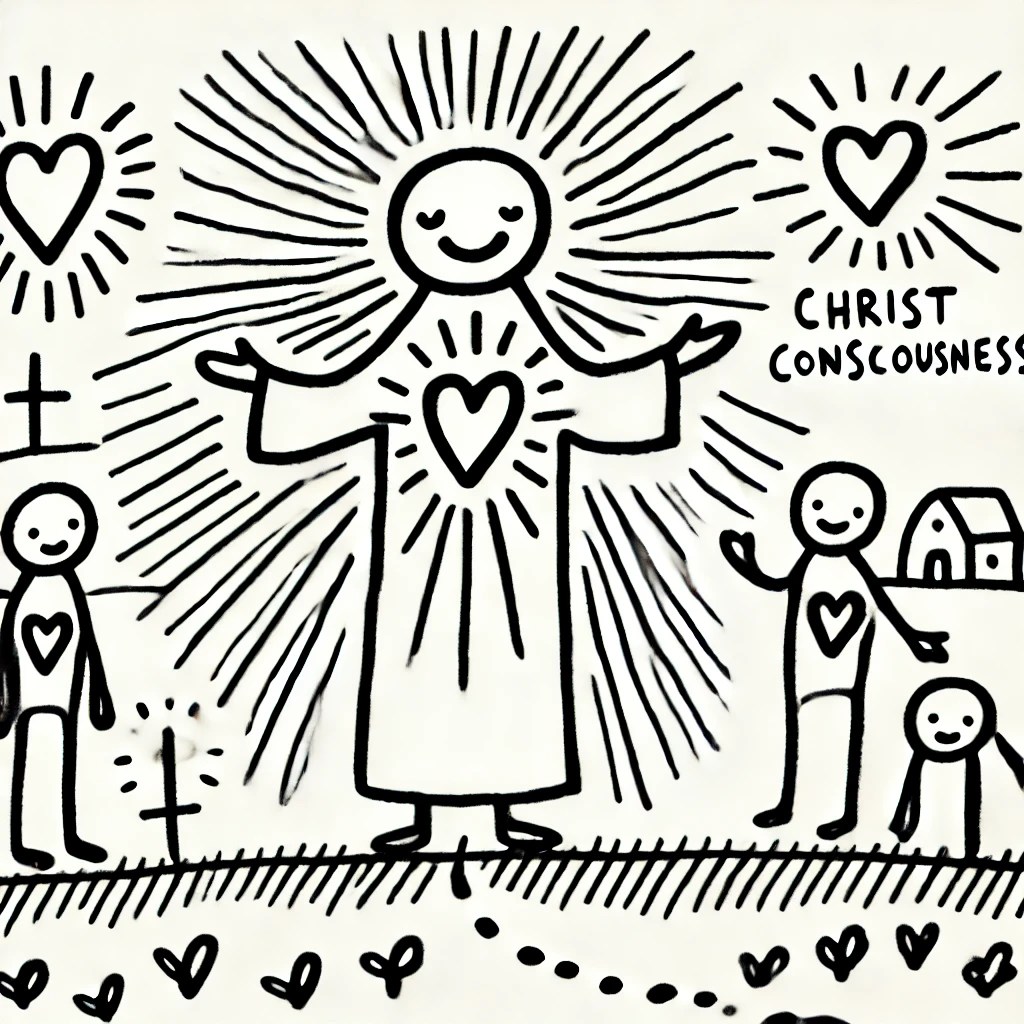
The biblical passage John 3:16-21 holds profound insights into Jesus’s teachings about salvation, not through dogmatic condemnation, but through a transformative connection with the “I AM” presence of God, manifest as the Christ Consciousness. Jesus’s statement in John, “For God so loved the world, that he gave his only begotten Son,” conveys that the path to salvation lies in recognizing and aligning with this divine consciousness, which Jesus fully embodied and encouraged all humanity to seek within themselves.
The Universal Christ Consciousness
The term “only begotten Son” is often misunderstood as exclusive to Jesus’s physical identity. However, Jesus points to the Christ Consciousness, the divine reflection of God’s essence in creation, which exists within every soul. This is not limited to Jesus alone; it is a universal, omnipresent intelligence. Jesus, in saying “I and my Father are one” (John 10:30), was identifying with this Christ Consciousness, the ever-present “I AM,” first introduced by God to Moses in Exodus 3:14: “I AM THAT I AM.” This divine “I AM” in Jesus is the same as the Father, the pure essence of consciousness manifesting throughout creation.
The Gnostic texts support this universal understanding. In the Gospel of Thomas, Jesus says, “The Kingdom is inside of you, and it is outside of you” (Saying 3). This aligns with the message in John: the light of divine consciousness (Christ) is within everyone, waiting to be recognized.
Salvation Through Realizing the “I AM”
In John 14:6, Jesus states, “I am the way, the truth, and the life: no man cometh unto the Father, but by me.” Here, he emphasizes that the path to divine realization is through the Christ Consciousness—the “I AM” within. This presence transcends the sensory, ego-bound self (“Son of Man”) and links directly to God, enabling liberation from the material limitations of the world.
This doesn’t mean that those who don’t believe in Jesus as a historical figure are condemned. Rather, Jesus implies that those who fail to awaken the Christ within are limited to a sensory-bound, ego-centered existence. Such souls are “condemned” not by external judgment, but by their own choice to remain in the darkness of sensory delusion, disconnected from the inner divine light.
Light and Darkness in Spiritual Consciousness
The passage in John 3:19-21 describes how “light is come into the world, and men loved darkness rather than light.” The Christ Consciousness represents this light, an ever-present guidance within each soul that leads toward divine union. However, people often avoid the light because it challenges them to confront and transcend their ego-driven tendencies.
Jesus’s teachings align with the Gnostic understanding of enlightenment. For instance, in the Gospel of Philip, it’s stated, “Light and darkness, life and death, right and left, are brothers of one another… they all came out from the same source.” Christ Consciousness, or divine light, is within reach for all, yet those attached to material desires may struggle to embrace it.
Beyond Dogma: True Belief as Direct Experience
Jesus’s emphasis on belief is not about mere intellectual or verbal assent but about a transformative, experiential realization of the divine within. He stated, “He that believeth on him is not condemned” (John 3:18), but belief here implies an active, inner communion with the Christ intelligence. Jesus’s mission was to reveal this pathway of consciousness, which he termed as “belief” but intended as a deep knowing and merging with the divine presence.
This aligns with Thomas 77: “I am the light that is over all things. I am all: from me all came forth, and to me all attained.” The true “believer” perceives this light within, not through dogmatic adherence, but through the inner experience of Christ Consciousness.
The Role of Free Will and Spiritual Responsibility
Jesus’s teachings also respect human free will. God, or the Father, does not condemn but offers the Christ intelligence as a guide toward liberation from ignorance. Those who ignore or deny this path do so at their own detriment. Jesus clarifies that God’s purpose is not condemnation, but redemption through Christ. The process of “condemnation” arises when individuals, through habitual attachment to sensory gratification, turn away from the inner light, choosing a limited existence over spiritual awakening.
Awakening Through Meditation and Divine Connection
Jesus emphasized that those who “doeth truth cometh to the light” (John 3:21), meaning that sincere seekers who align their lives with divine truth eventually awaken the inner light. This process of awakening involves meditation, prayer, and a gradual release of ego-driven habits, allowing the devotee to commune with the ever-present Christ within.
When Jesus says, “When ye have lifted up the Son of Man, then shall ye know that I am he” (John 8:28), he encourages individuals to elevate their sensory-bound consciousness to the higher realm of Christ consciousness. This journey requires discipline, surrender, and a dedication to inner spiritual practices.
The Inclusive Path to God
Jesus’s mission was to show that salvation is available to all through a personal connection with the Christ intelligence. The idea that only those who verbally acknowledge Jesus as the Savior are saved misinterprets his message. Instead, Jesus embodies the pathway to divine communion through the Christ Consciousness, accessible to all regardless of culture or religion.
The Gospel of John and the Gnostic writings collectively convey that the Christ intelligence dwells within every soul. Through deep spiritual practices, every individual can rise beyond ego limitations, experiencing unity with the divine. Jesus’s teachings guide seekers toward an inclusive, universal path, where salvation is not exclusionary but an invitation to all to awaken the divine light within.
 Life Tronic Cell